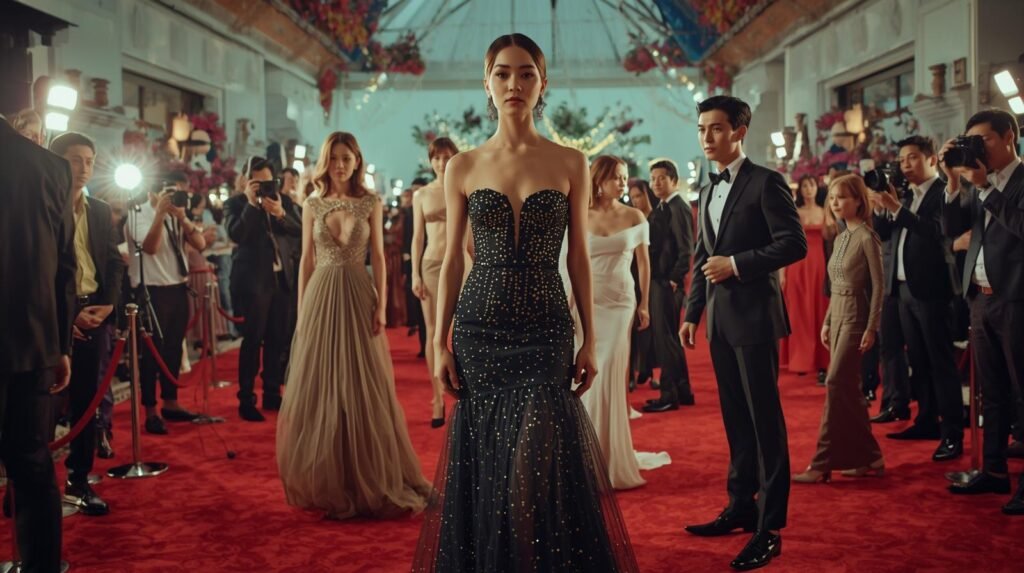

Red carpet events showcase carefully curated outfits that combine design, fit, and style. While most people cannot wear haute couture daily, these outfits provide ideas that can be adapted for personal fashion. Understanding the structure and elements allows anyone to translate high-end looks into practical, wearable outfits.
This guide explains how to adapt red carpet styles effectively.
Why Adapt Red Carpet Looks
Red carpet outfits offer lessons in:
- Balance and proportion
- Coordination of clothing and accessories
- Color combinations for impact
- Styling for different body types and occasions
Adapting these elements helps create refined outfits for formal events, parties, or professional settings.
1. Structured Clothing
Many red carpet outfits use structured designs to maintain shape.
Key elements:
- Tailored dresses or suits
- Defined waistlines or fitted silhouettes
- Clean lines and precise cuts
How to adapt:
- Choose tailored dresses or blazers for events
- Ensure clothing fits your proportions
- Focus on clean, minimal lines without adding bulk
2. Monochrome Coordination
Monochrome outfits are common on the red carpet.
Key elements:
- Matching top and bottom colors
- Subtle variations in texture
- Coordinated accessories
How to adapt:
- Select one primary color and combine similar shades
- Use different fabrics for depth
- Keep shoes and accessories neutral or matching
3. Layered Elements
Layering adds dimension and depth.
Key elements:
- Outerwear like coats or capes
- Overlays such as sheer panels or vests
- Layered jewelry or belts
How to adapt:
- Use one additional layer such as a blazer or vest
- Choose layers that are proportional to height and build
- Avoid excessive layers that overwhelm the outfit
4. Footwear Selection
Red carpet shoes balance elegance and support.
Key elements:
- Heels, dress shoes, or ankle boots
- Color coordination with the outfit
- Proper sizing for comfort
How to adapt:
- Select formal footwear that complements your outfit
- Use neutral colors for versatility
- Consider wedges or flats if comfort is a priority
5. Accessory Placement
Accessories are intentional and proportional.
Key elements:
- Minimal jewelry, belts, and bags
- Focus on one statement item
- Balance between top and bottom of the outfit
How to adapt:
- Choose a single accessory to highlight the outfit
- Match bag, shoes, and jewelry for consistency
- Avoid overcrowding the outfit with multiple statement pieces
6. Color Combinations
Color is carefully chosen on the red carpet.
Key elements:
- Harmonious color palettes
- Accent colors for contrast
- Avoiding clashing patterns
How to adapt:
- Select two to three main colors per outfit
- Use one accent item to add interest
- Stick to solid colors or minimal patterns for formal events
7. Material and Texture Choices
Fabric choice affects appearance and fit.
Key elements:
- Structured fabrics maintain shape
- Soft fabrics add flow and movement
- Mix of textures adds depth
How to adapt:
- Combine structured and soft fabrics for balance
- Use materials suited to climate and comfort
- Avoid fabrics that wrinkle easily for long events
8. Practical Adaptation for Daily Wear
Red carpet outfits can inspire professional and semi-formal clothing.
- Replace gowns with knee-length dresses or skirts
- Use blazers instead of elaborate jackets
- Adapt belts and shoes for everyday wear
- Maintain fit and proportion to preserve style
9. Tips for Successful Adaptation
- Focus on one element at a time: color, layer, or silhouette
- Prioritize fit over exact replication
- Choose versatile pieces for multiple outfits
- Observe red carpet style for balance, not exact details
- Practice combining pieces to achieve harmony
Common Mistakes to Avoid
- Copying extravagant designs that are impractical
- Ignoring proportion and fit for your body type
- Over-accessorizing or adding too many layers
- Using uncomfortable footwear for extended wear
Final Thoughts
Red carpet outfits can be adapted into practical, stylish clothing for personal use. By understanding structure, color, layering, and accessories, you can translate high-end fashion into wearable outfits. Start with subtle elements like a tailored blazer, monochrome palette, or statement accessory to achieve balance and style.
Adapting red carpet looks combines inspiration with practicality, allowing anyone to incorporate high-fashion elements into daily or formal wear.