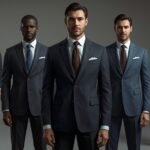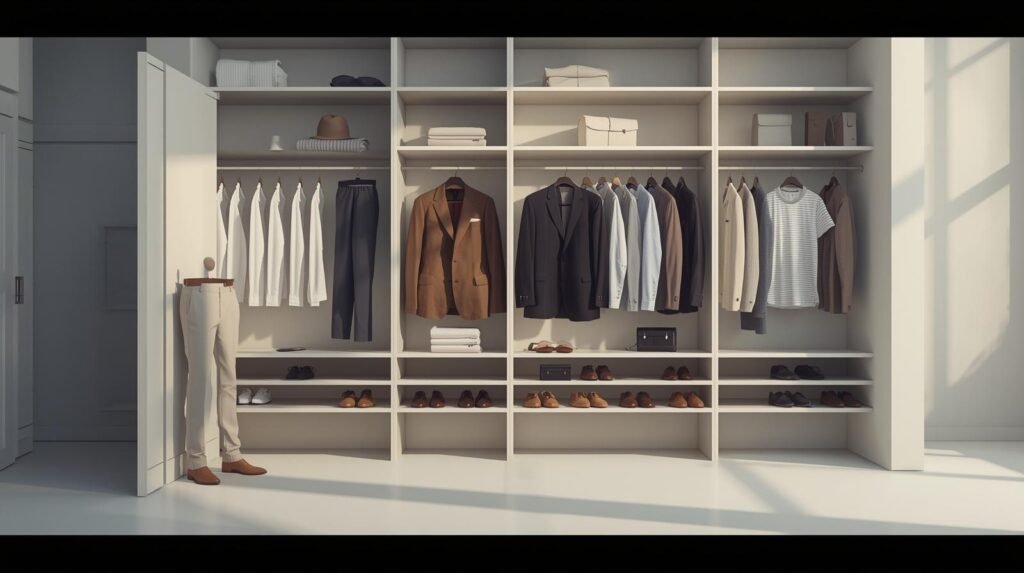

A functional men’s wardrobe consists of versatile pieces that can be combined for various occasions. Focusing on essentials simplifies outfit planning, ensures practicality, and provides a foundation for both casual and formal styles.
This guide highlights essential wardrobe items every man should consider.
Why Wardrobe Essentials Matter
Benefits include:
- Simplifies outfit selection for work, social, and casual events
- Reduces unnecessary purchases and clutter
- Provides a foundation for layering and accessorizing
- Ensures versatility and practicality
Essentials form the backbone of a balanced and adaptable wardrobe.
1. Shirts and T-Shirts
Key choices:
- White and neutral t-shirts for layering or casual wear
- Button-up shirts in solid colors or subtle patterns
- Long-sleeve casual shirts for transitional seasons
Tips:
- Focus on proper fit and comfort
- Use neutral colors as a base for multiple outfits
- Layer with sweaters, jackets, or blazers for variety
2. Trousers and Jeans
Wardrobe staples:
- Dark or neutral jeans for casual and business-casual settings
- Chinos in beige, navy, or gray
- Tailored trousers for formal or professional occasions
Tips:
- Ensure proper length and fit for polished appearance
- Rotate colors to maximize versatility
- Avoid overly baggy or worn-out clothing
3. Outerwear
Essential outer layers:
- Blazers or sport coats for formal and semi-formal occasions
- Lightweight jackets for casual wear
- Coats for colder seasons
Tips:
- Match outerwear with the occasion and outfit tone
- Focus on structured designs for professional settings
- Use casual jackets for weekends and outdoor activities
4. Footwear
Footwear essentials:
- Classic dress shoes: Oxfords or brogues
- Casual shoes: loafers or sneakers
- Boots for seasonal or rugged use
Tips:
- Maintain cleanliness and polish for formal footwear
- Rotate shoes for comfort and durability
- Coordinate color with belts or bags
5. Accessories
Practical accessories:
- Watches, belts, and minimal jewelry
- Functional bags like backpacks or messenger bags
- Scarves or hats for seasonal use
Tips:
- Match accessory style with the outfit
- Avoid excessive layering
- Choose neutral colors for versatility
6. Suits and Blazers
- Classic suits for work, interviews, or formal events
- Blazers for casual or semi-formal occasions
- Neutral colors like navy, gray, or black for maximum adaptability
Tips:
- Ensure proper fit for shoulders, waist, and length
- Pair with versatile shirts and shoes
- Rotate for seasonal variety
7. Sweaters and Layering Pieces
- Crewneck or V-neck sweaters in neutral colors
- Lightweight layering items like cardigans or pullovers
- Suitable for transitional seasons
Tips:
- Combine with collared shirts or t-shirts
- Use layering to maintain proportion and comfort
- Avoid overly bulky designs
8. Practical Tips
- Invest in quality items for durability
- Focus on versatility to create multiple outfits
- Rotate wardrobe pieces seasonally
- Keep color palette cohesive for mix-and-match flexibility
Common Mistakes to Avoid
- Buying excessive trend-focused pieces
- Neglecting fit and proportion
- Ignoring footwear and accessories
- Overcomplicating wardrobe with unnecessary items
Final Thoughts
Essential men’s wardrobe pieces provide the foundation for practical, versatile, and stylish outfits. By focusing on shirts, trousers, outerwear, footwear, and accessories, anyone can create a functional wardrobe that adapts to casual, professional, and formal settings.
Quality, fit, and versatility are key to maintaining a streamlined and effective wardrobe.