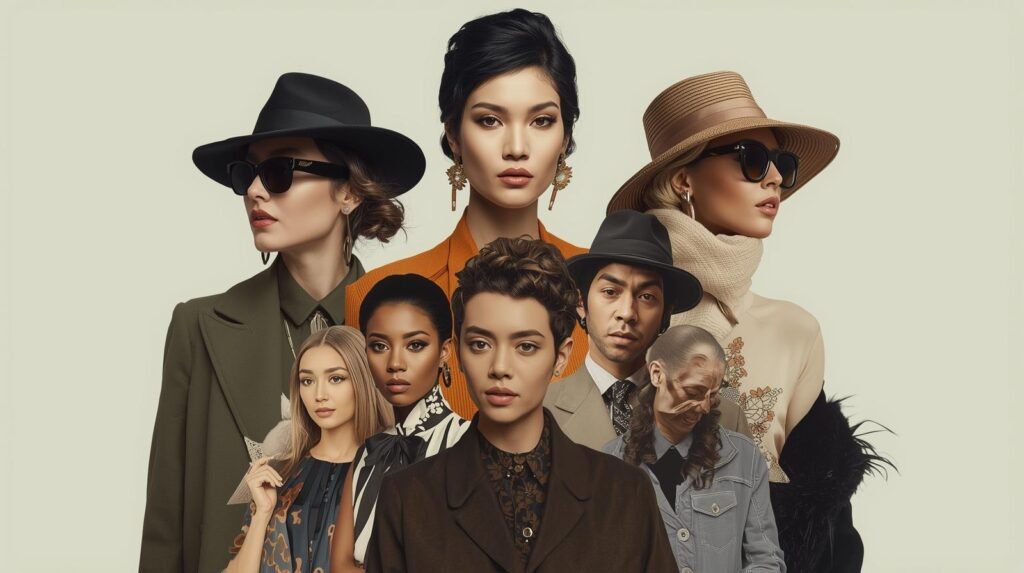

Fashion icons shape what people wear through their public appearances, media coverage, and personal style. They influence trends in clothing, accessories, and overall presentation. Understanding how fashion icons approach outfits provides guidance for adapting trends to everyday life.
This guide explores how to learn from fashion icons and incorporate their influence into your own wardrobe.
Why Study Fashion Icons
Observing fashion icons offers several advantages:
- Provides examples of consistent style
- Demonstrates how to combine clothing, accessories, and footwear
- Highlights how trends evolve over time
- Offers inspiration for both casual and formal settings
Fashion icons act as practical examples of applying style principles in real life.
1. Classic Fashion Icons
Some fashion icons are recognized for timeless style.
Key elements:
- Well-tailored clothing
- Neutral color palettes
- Minimal and functional accessories
How to adapt:
- Invest in basic pieces that can be mixed and matched
- Focus on fit and proportion
- Use simple accessories to enhance the outfit without overpowering
2. Trendsetters in Modern Fashion
Modern fashion icons often introduce new trends.
Key elements:
- Bold color choices or patterns
- Layering and unique silhouettes
- Statement shoes or bags
How to adapt:
- Incorporate one trend at a time into your wardrobe
- Balance bold items with neutral pieces
- Avoid overloading multiple trends in a single outfit
3. Celebrity Influence
Celebrities often act as fashion icons through events and media.
Key elements:
- Red carpet outfits
- Casual streetwear featured in public appearances
- Collaboration with designers and brands
How to adapt:
- Observe structure, layering, and color coordination
- Select pieces compatible with your lifestyle and budget
- Adapt outfit proportions and accessories for personal use
4. Social Media Icons
Social media influencers also define trends with accessible outfits.
Key elements:
- Everyday outfits that mix comfort and style
- Seasonal trends adapted for real life
- Practical layering and outfit formulas
How to adapt:
- Start with casual looks inspired by social media posts
- Use color coordination and proportion for balance
- Incorporate one trending item per outfit to stay current
5. Iconic Accessories
Fashion icons often use signature accessories.
Key elements:
- Watches, handbags, belts, and scarves
- Statement shoes
- Minimal yet intentional jewelry
How to adapt:
- Select one or two items per outfit to maintain balance
- Match accessories with clothing colors
- Avoid excessive or conflicting pieces
6. Signature Styles
Many fashion icons are known for a recognizable style.
- Monochrome outfits
- Layered clothing
- Structured and tailored silhouettes
How to adapt:
- Identify a few elements of a style icon you like
- Integrate these elements into your daily outfits
- Maintain consistency without copying exactly
7. Color Coordination
Fashion icons use color to enhance outfits.
Key elements:
- Harmonious palettes
- Accent colors to create focal points
- Avoiding clashing patterns
How to adapt:
- Stick to two or three colors per outfit
- Use accent items to add interest
- Ensure proportion and balance are maintained
8. Footwear and Clothing Balance
Shoes play a role in defining overall style.
Key elements:
- Appropriate shoes for outfit type
- Balance between comfort and aesthetics
- Coordinated with clothing and accessories
How to adapt:
- Select versatile footwear that matches multiple outfits
- Prioritize comfort for daily wear
- Rotate shoes to suit different clothing combinations
9. Practical Tips for Learning from Icons
- Observe one element at a time: fit, color, layering, or accessory
- Adapt trends to personal body type and lifestyle
- Combine inspiration from multiple icons for a balanced wardrobe
- Focus on items that are versatile and wearable
Common Mistakes to Avoid
- Attempting to copy the exact outfit without considering personal fit
- Overloading multiple trends in one outfit
- Ignoring comfort or practicality for style
- Using colors or accessories that clash with your wardrobe
Final Thoughts
Fashion icons define trends by consistently applying principles of fit, proportion, color, and accessory coordination. Learning from their choices allows you to adapt style in a way that suits your lifestyle and personal body type.
By observing classic icons, modern trendsetters, celebrities, and social media influencers, anyone can create outfits that reflect current trends while remaining practical and wearable.